A bike and a train together can take you farther, faster, and more reliably than either one alone. The Bay Area's ability to carry bikes on Caltrain and BART did not happen by accident: it was won by riders who organized, counted, testified, and kept coming back. Here is how those wins happened, how to ride well today, and what the next round of advocacy should focus on.
Key points
- Pairing bikes with transit solves the first- and last-mile problem, widens the area each station serves, and makes car-free regional commuting realistic.
- Member-led advocacy, including BIKES ONboard, an SFBC member-led project championed by Shirley Johnson, a 2014 Golden Wheel award winner, pushed Caltrain to take bike capacity seriously.
- BART permanently ended its commute-hour bike ban in 2013 after sustained advocacy and trial periods.
- Caltrain kept dedicated bike cars when it launched electrified service in 2024, but full bike cars and "bumps" remain a real problem at busy times.
- The next priorities are clear capacity standards, secure parking at stations, and better coordination across the region's many transit agencies.
Why bikes and transit belong together
Most people will walk only a short distance to reach a station. On a bike, the same few minutes cover several times that distance, so the area a station can realistically serve grows dramatically. A rider who lives in a part of the city poorly served by rail can suddenly reach a BART or Caltrain station in less time than it takes to wait for a connecting bus.
Bikes also solve the other end of the trip. Peninsula and South Bay office parks, campuses, and job sites are often spread out far from the platform. A bike turns an awkward shuttle transfer or a long walk into a quick, predictable ride. For many regional commuters, especially those traveling between San Francisco, the Peninsula, and the East Bay, a bike on the train is the difference between a workable car-free commute and buying a car.
There are wider benefits too:
- Equity: People who cannot afford a car, or who do not drive, gain access to jobs and services across the region.
- Ridership: Every rider who arrives by bike is a fare-paying passenger who did not need a parking space.
- Resilience: When a line is disrupted, riders with bikes have more options for getting around the problem.
- Climate and congestion: Bike-plus-transit trips replace some of the longest, most polluting car trips people make.
How members won space on Caltrain
Caltrain has long been one of the most bike-friendly commuter railroads in the country, with dedicated bike cars rather than a few hooks squeezed into a passenger car. That status was not guaranteed. For years, demand for bike space outgrew supply, and riders were regularly left on the platform when bike cars filled up.
BIKES ONboard, an SFBC member-led project championed by Shirley Johnson, who received a Golden Wheel award in 2014, became a model for how ordinary members can move a regional agency. The project's strength was its approach rather than any single victory. Advocates in efforts like this one typically:
- Documented the problem. Riders counted and reported bumps, giving the agency evidence it could not dismiss as anecdote.
- Made the business case. Bike riders are paying customers. Turning them away means lost fares and more cars on the road.
- Showed up consistently. Regular, well-prepared comments at board meetings and in planning processes kept bike capacity on the agenda year after year.
- Worked constructively with staff. Offering practical solutions, from car layouts to boarding procedures, made it easier for the agency to say yes.
- Stayed member-led. The people most affected set the priorities, which kept the campaign grounded and credible.
BART and the end of the commute-hour ban
For much of its history, BART barred bikes during the busiest commute hours, which is exactly when many people most needed them. Advocates argued that a blanket ban was a blunt tool: it excluded bike commuters entirely instead of managing crowding with clear rules.
After trial periods and sustained advocacy by members and allies, BART permanently ended its commute-hour bike ban in 2013. Bikes are now allowed throughout the system's operating hours, subject to rules designed to keep trains safe and passable for everyone. Those rules matter: the permanent policy depends on bike riders showing that they can share crowded trains responsibly. Check bart.gov for the current guidelines before you ride.
Caltrain's electrified era
In 2024, Caltrain launched electrified service, replacing much of its diesel fleet with electric trains that accelerate faster, run more quietly, and support more frequent service. For bike riders, a key question during the transition was whether the new trains would preserve dedicated bike space. They did: the electric trains include bike cars, continuing the railroad's long-standing commitment.
The new trains bring their own adjustments. Riders need to learn which doors serve the bike cars, how racks are arranged, and how crowding patterns shift as schedules change. As ridership grows, the bike cars on popular trains can still fill up. Electrification is a foundation for better service, not the end of the capacity conversation. For schedules and current bike rules, see caltrain.com.
When the bike car is full: bumps, parking, and alternatives
Being "bumped" means you cannot board with your bike because the bike space is already full, so you wait for the next train. On a frequent line that may be a minor delay; on a less frequent schedule it can wreck a commute. Smart riders build a backup plan. The options below each have trade-offs.
| Option | Best for | Trade-offs |
|---|---|---|
| Bring your full-size bike | Riders who need their own bike at both ends | Risk of bumps at peak times; space on crowded cars is limited |
| Park securely at the station | Riders who only need a bike for the home end of the trip | Secure lockers or bike rooms are not available everywhere; theft risk at open racks |
| Keep a second "station bike" | Regular commuters with a fixed destination | Cost of a second bike and a place to store it at the far end |
| Use bike share | Trips where docks or bikes are available near both ends | Coverage varies; availability is not guaranteed at peak times |
| Ride a folding bike | Riders who want flexibility and fewer bumps | Smaller wheels, higher cost for quality models, carrying it on stairs |
| Ride an e-bike | Longer or hillier connections to and from stations | Weight makes lifting harder; agency rules on e-bikes and batteries vary and can change |
The region's bike share system, Bay Wheels, can be a good fit for the far end of a trip, especially in dense areas near stations. E-bikes and cargo bikes raise special questions about weight, size, and battery safety, so always check each agency's current rules rather than assuming what applied last year still holds.
Transit etiquette for riders with bikes
Every rider with a bike is an ambassador for the policy that lets bikes on board. These habits keep trains moving and keep goodwill high:
- Know the rules before you go. Check the agency's website for where bikes may ride, which cars or doors to use, and any restrictions.
- Let people off first. Wait to the side of the doors, then board quickly once the exit flow clears.
- Use the right car and door. On Caltrain, head for the bike car. On BART, avoid cars that are already packed.
- Never block doors or aisles. Hold your bike out of the way, and never block priority seating or wheelchair spaces.
- Yield to people with disabilities, seniors, and parents with strollers. They come first, always.
- Use elevators or stairs, not escalators. Carrying a bike on an escalator is dangerous and typically prohibited.
- Stay with your bike. Hold it steady when the train moves, and be ready to shift it for other riders.
- Tag your bike if the system uses tags. On stacked racks, destination tags help riders order bikes so nobody has to unload the whole rack.
- Keep it clean. On rainy days, wipe down wet or muddy tires before boarding.
- Wait for the next train if it is full. Squeezing in sours the experience for everyone and undermines the case for bikes on board.
- Be friendly. A smile and a quick "I'll move my bike" go a long way.
What comes next
The early fights were about whether bikes belonged on trains at all. The next round is about making bike access reliable, secure, and consistent across the region.
Clear capacity standards
Bike space should be planned, not left over. Agencies should adopt published standards that tie bike capacity to measured demand, require new train and bus purchases to meet those standards, and report bump data publicly so the public can see where demand is going unmet.
Secure station parking
The best way to free up space on trains is to give riders a safe place to leave their bikes. That means secure, weather-protected parking at busy stations, sized for growing demand and designed to accommodate e-bikes and cargo bikes. Electronic lockers and staffed or access-controlled bike rooms exist at some stations; they should be the norm rather than the exception.
Regional coordination
The Bay Area has many transit operators, each with its own rules for bikes, folding bikes, e-bikes, and boarding. Riders crossing systems in a single trip face a patchwork. Consistent regional policies, clear signage, and coordinated schedules at transfer points would make bike-plus-transit trips far easier to plan.
Safe routes to stations
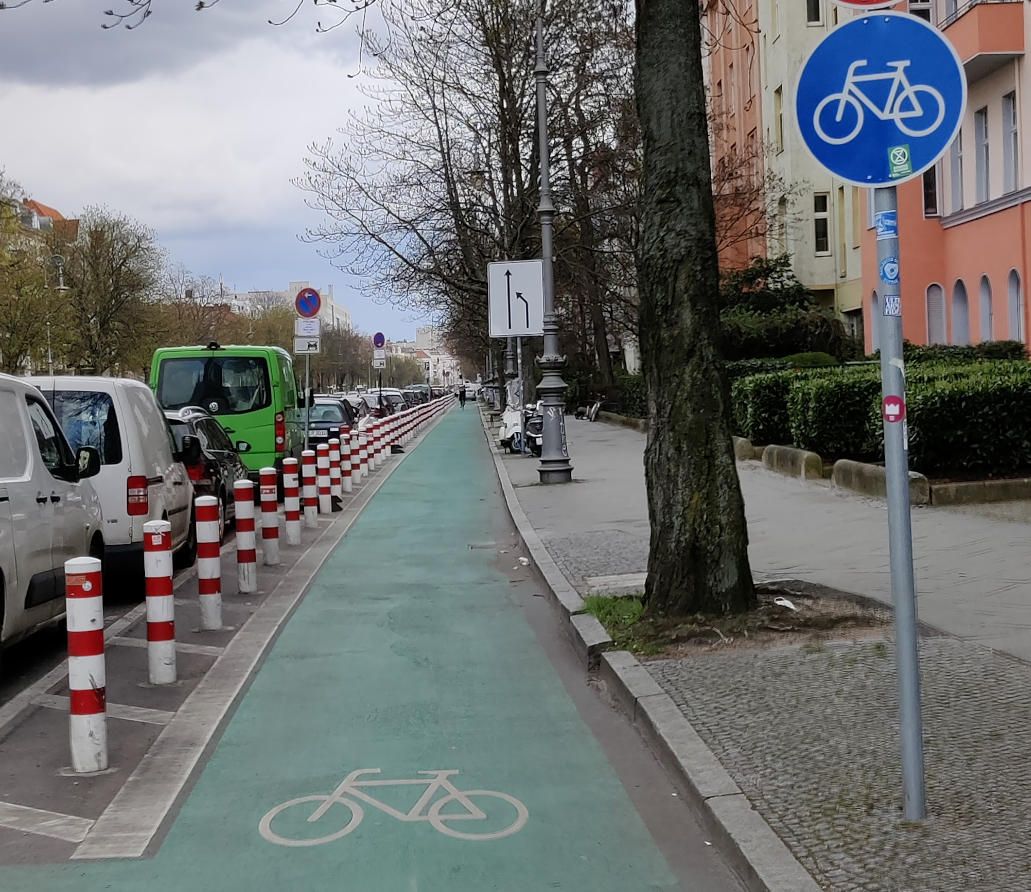
No amount of rack space helps if the ride to the station feels dangerous. Protected bike lanes and calmer streets near stations are a natural link between bikes-on-transit advocacy and broader street safety work. Our article on Vision Zero accountability in San Francisco explains how members can push for those improvements.
Bikes on transit is one of the core priorities in Save SF Bike's platform, alongside member-led advocacy. If you want to help set your coalition's agenda directly, see our guide on running for your bike coalition's board, or explore the programs we offer to support member advocates.
Frequently asked questions
Can I bring my bike on BART during rush hour?
Yes. BART permanently ended its commute-hour bike ban in 2013. Riders are still expected to follow BART's bike rules, such as yielding to other passengers, keeping doors and aisles clear, and staying off escalators with a bike. Check bart.gov for the current rules before you ride.
What does it mean to get bumped on Caltrain?
Being bumped means you cannot board with your bike because the bike car is already full, so you have to wait for the next train. Bumps are a key measure advocates track, because they show where bike capacity is not keeping up with demand.
Are folding bikes and e-bikes allowed on trains?
Folded bikes are generally easier to bring on board because they take up less space, while rules for e-bikes vary by agency and can change. Always check the current policies on caltrain.com and bart.gov, especially for heavy e-bikes and cargo bikes.
Every bike rack on a train exists because riders asked for it and kept asking. Join fellow members working for more capacity, secure parking, and a better-connected region.
Get involved