Running for a board can feel opaque: deadlines hide in the bylaws, candidate statements have word limits, and few people explain what directors actually do. Our coaching cohort demystifies the whole process, from eligibility checks to your first 90 days in office.
Sessions are led by volunteers with board, campaign and nonprofit-finance experience. You will practise a two-minute candidate pitch, draft your statement, and learn the fiduciary duties of care, loyalty and obedience in plain English.
What’s included
Bylaws and nomination timeline walkthrough
Candidate statement workshop with peer feedback
Fundraising and budget basics for directors
Ethical campaigning: member privacy, endorsements, forums
Governance Watch continues the tradition of the member newsletters preserved in our archive: concise updates on upcoming board meetings, what is on the agenda, and how members can weigh in.
Each issue links to primary sources, flags decisions that affect member rights, and suggests one concrete action. Quarterly calls let subscribers ask questions and compare notes.
What’s included
Upcoming board meeting dates and agenda highlights
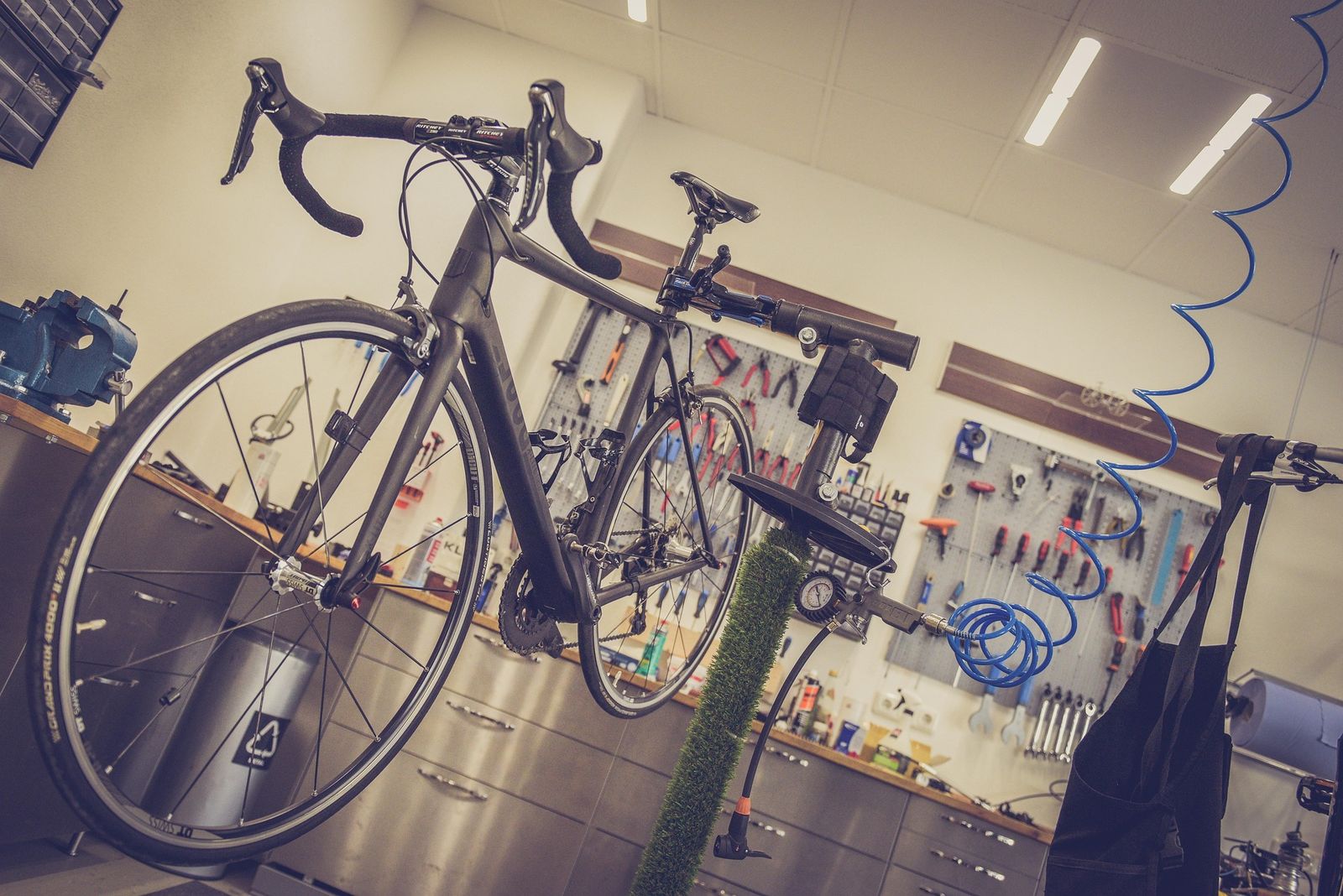
Pop-up clinics bring tools, stands and volunteer mechanics to parks, libraries and community events in neighborhoods that are often left out of bike advocacy.
Every clinic doubles as a listening session: while your bike is on the stand, we ask what would make your daily trips safer. That feedback goes straight into our advocacy priorities.
Children (with a parent/guardian) and adult beginners
We use the balance-first method: pedals come off, riders learn to glide, and confidence builds quickly. Adults are welcome — it is never too late to learn.
Graduates can join a follow-up session on riding in traffic, route planning and bringing a bike on transit. Youth sign-ups must be made by a parent or guardian.
Our platform calls for broader outreach to San Francisco’s diverse communities. Listening rides put that into practice: neighbors set the route and the agenda.
We stop at problem spots, take notes and photos, and turn what we learn into requests to the city and suggestions for the coalition’s strategic plan.
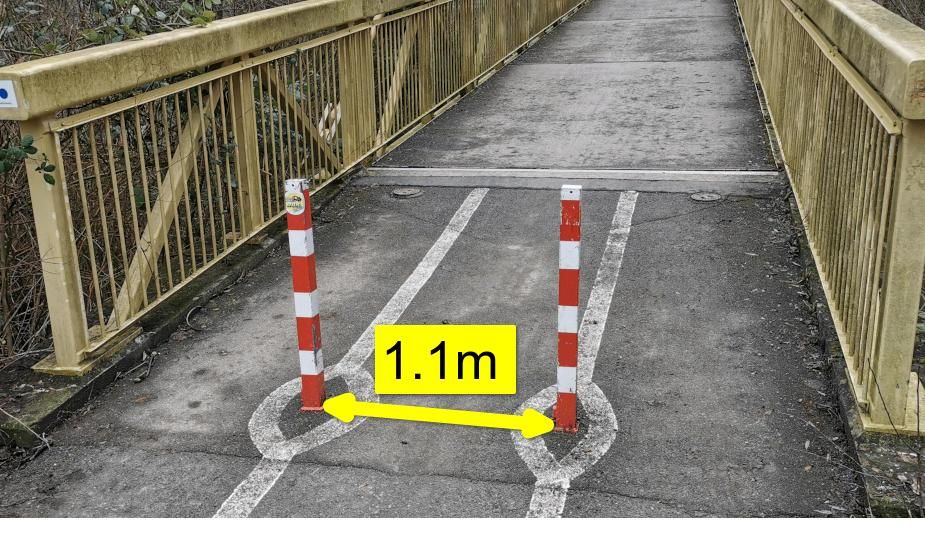
Data-driven safety design only happens when someone documents the problem. The kit walks you through counting riders, measuring lane widths and clearances, and recording near-miss hot spots.
A one-hour training shows how to package findings for public comment, letters to officials and Vision Zero project requests — with templates you can adapt.
Your privacy. We don’t use tracking or advertising cookies. We store only your choice on this notice and small display preferences in your browser. Learn more.